Category Archives: Sexual Diversity

MENENGAGE AFRICA TRAINING INITIATIVE: CALL FOR APPLICATIONS.

Written by Sonke Gender Justice Network

ANNOUNCEMENT

Sonke Gender Justice Network, the MenEngage Africa Network and the Women’s Health Research Unit at the University of Cape Town are proud to host the second MenEngage Africa Training Initiative course: ‘Masculinities, Leadership and Gender Justice in Sub-Saharan Africa’, to be held from 16-26 September 2013 at the University of Cape Town in South Africa. This follows the highly successful pilot course that took place in August 2012.

To apply for this training course, complete the online application at:www.menengage.org/mati2013application.

For further information, please go towww.mengage.org/mati2013course or refer to the attached document.

About the course
‘Masculinities, Leadership and Gender Justice in Sub-Saharan Africa’ is a short, intensive, ten-day residential course which seeks to expand the skills and knowledge of women and men in the Sub-Saharan Africa region to scale up work on engaging men and boys in gender equality, and build a network of leaders and gender justice advocates. In so doing, it aims to strengthen existing work on the greater involvement of men and boys in the prevention and response to sexual and gender-based violence, sexual and reproductive health and rights, HIV and AIDS, fatherhood, LGBTI rights and other issues pertaining to gender equality.

The course will incorporate a mix of thematic and skills-building sessions – covering both theoretical and practical components – as well as a site visit and daily opportunity for reflection.  Thematic sessions will address the topics mentioned above, while the skills building sessions will specifically address leadership (including youth leadership), organisational development, research methods, advocacy, resource mobilisation and monitoring and evaluation.

As part of the training, participants are expected to submit a ‘Project for Change’ proposal, which will be refined during the course and, most importantly, implemented within their respective organisations once the course is completed. The Project for Change is a project or programme that is applicable to engaging men for gender equality. It can focus on sexual and gender based violence, HIV and AIDS, sexual and reproductive health or, LGBTI rights to name a few potential thematic areas.  The project can be an existing one that needs to be expanded or strengthened, or a new initiative that must be implemented upon completion of the course. Through the implementation of the Project for Change, it is hoped that participants will be able to practically employ the additional skills and knowledge gained from this training.

To assist participants with the implementation of their Projects for Change, the course incorporates a six month Mentorship Programme. This mentorship component is a critical aspect of the training as it seeks to provide participants with ongoing support and guidance as they implement their projects at the conclusion of the training. Participants can elect their own mentor or have one appointed for them. Ultimately, certification for the MenEngage Africa Training Initiative (MATI) will be based on satisfactory implementation of the Project for Change and thorough engagement in the Mentorship Programme.

The organisers trust that this course will contribute to the strengthening of both individual and organisational capacities, and it is with great pleasure you are hereby invited to apply to attend.

Summary of the first course
From 20-30 August 2012, the first MenEngage Africa Training Initiative course ‘Masculinities, Leadership and Gender Justice in Sub-Saharan Africa’ took place at the University of Cape Town in South Africa. It brought together 23 participants (14 males and 9 females) from 13 African countries. Course content was delivered by global and regional experts and leaders in the fields of gender, human rights and social justice, for example, on topics such as ‘Why Engage Men?’ and ‘Gender, Culture, Tradition and Religion.’ Evaluations from the first course indicated that participants found the training very useful and it increased their knowledge and skills by 41 %. This is a positive outcome demonstrating that the modules on the course were effective in transferring knowledge and skills to participants on how to work with men and boys for gender equality.

Target Audience
The course is intended for gender activists, programme staff and project managers from women’s rights, children’s rights, sexual and reproductive health and rights, HIV and AIDS, and LGBTI organisations, youth leaders, government officials, UN Agency representatives, donors, academics and media advocates.

Who is eligible?
The ideal candidate will:

  • Work in a field where they can influence gender justice and gender equality through their positions within non-governmental organisations (NGOs), community-based organisations (CBOs), government, UN agencies, donors, academic institutions, faith based organisations, juridical systems or other relevant organisations in Sub-Saharan Africa
  • Have a minimum of 3-5 years work experience in gender, advocacy, human rights, social justice and/or sexual and reproductive health and rights  issues
  • Demonstrate commitment and interest in strategies and programmes aimed at engaging men for gender equality within Sub-Saharan Africa
  • Have proven and demonstrable leadership experience/skills
  • Have a basic understanding of gender issues, particularly around gender justice
  • Demonstrate an understanding, commitment and willingness to be part of an intense ten day residential course
  • Have an innovative proposal for a ‘Project for Change’, to be implemented on completion of the course
  • Have the support of their organisation for both participation in the course and implementation of their Project for Change (where applicable)
  • Hold a Bachelor’s degree in international relations, human rights, health rights, gender or other relevant fields (practical experience will be taken into account in lieu of an educational background)
  • Be fluent in English
  • Have interest/experience in running training courses

Cost
There are no registration fees. Applicants are requested to cover all travel-related costs in full. Accommodation and course costs will be covered by the hosts.

A very limited number of scholarships to cover the full cost of participation are available. The hosts encourage ALL interested parties to apply.

Application Procedure
To apply, please go to http://www.menengage.org/mati2013application to fill out the on-line application form.

Applications are to be completed by no later than 31 May 2013. Once completed, you will receive an email confirming receipt of your application. Successful candidates will be notified by no later than 1 July 2013.

For further information, kindly contact Tanya Charles at mati2@menengage.org


9 May 2013

http://www.maravipost.com/scope/announcements/3726-menengage-africa-training-initiative-call-for-applications.html

Key Messages in Brief: The Civil Society African Common Position Paper on ICPD: SIGN ON!

25 April 2013

AAI has distilled the key messages of the Civil Society African Common Position Paper on ICPD into 12 brief points for easy reading.

We will continue seeking endorsements in the coming weeks and have already had over 100 CSOs in Africa and worldwide sign on!

Join us and give more power to the people!

SIGN ON to endorse this document here

1. Human Rights

The document is fundamentally based on human rights. This means that the main objective of all development policies and programmes and their implementation must be to respect, protect and fulfil human rights for all.

1.1.      Demography and population growth: The document clearly addresses the potential abuses of demographic and population growth policies and strategies that ignore the human rights of individuals. It also demands that all population growth and structure, and demographic work is approached with a human rights and gender responsive lens. It requests guarantees that policies to address high fertility and rapid population growth will focus on enlarging, not restricting, individual choices and opportunities. Clear policy guidelines must be developed and implemented so as to ensure that human rights and gender responsive lens is used through to clinic level so that abuse and misinterpretation does not occur.

1.2.      All vulnerable people included: The document identifies vulnerable and key affected populations that require better inclusion and more focussed policies, programming and implementation in order to realize their full socio-economic and civil and political rights and freedoms. It acknowledges the role of both the vulnerable and the role of the already empowered and that they need to engage in promoting equality, equity and empowerment for all.

1.3.      Duty-bearers and rights-holders: Both duty-bearers and rights-holders are identified throughout the document as a means to better identify the needs and entitlements of the former, and the obligations and duties of the latter. It also speaks to where capacity is lacking in order to empower the latter to hold the former accountable.

2. Accountability and Transparency

The document highlights the need for accountability which can be gained from collective transparency, open dialogue and greater focus on implementation and action with the attainment of human rights for all as the ultimate goal.

2.1.      Reporting: To report in a timely manner, accurately and transparently on progress made. To ensure that monitoring and accountability mechanisms adopt a systemic and sustained human rights approach towards the implementation of the ICPD, Maputo Plan of Action (MPOA) and other relevant commitments;

2.2.      Quality of data: To improve the quality of reporting by improving data, increasing quality and quantity of responses in reporting documents, using a collaborative process with civil society for the completion of reports, and ensuring appropriately disaggregated data is available and included in reporting.

2.3.      Dialogue between government and Civil Society Organisations (CSOs): Use open dialogue between government, civil society and policy organs, to create more discussion around current status, national responses and challenges surrounding the attainment of universal access to sexual and reproductive health and rights (SRHR) and health services on the continent.

3. Focus on Implementation

The document highlights the need for a “less talk, more action” stance. This includes a focus on implementation of budget, human resource development and improved national ownership rather than policy and/or commitment development.

3.1.      Budget allocation and spending: To boost funding for health, especially SRHR, by implementing the commitment made in Abuja to dedicate 15% of national budget to health. In addition, the document calls for implementation of the MPOA commitment to allocate 15% of health budget to family planning commodities. It is important to also identify alternative funding sources. There is a need to improve monitoring and evaluation and financial controls of existing budgets and expenditures;

3.2.      Focus on African capacity: To allocate budget and implement capacity building for health systems strengthening through improved human resources. This is for health staff as well as national institutions, community systems and Ministry of Health staff. It is necessary to mount evidence-informed and rights-based responses, whilst also working on retaining existing staff, improving the existing quality of training and promoting South-South cooperation.

3.3.      Leadership and national ownership: To commit to an all-inclusive and accountable leadership that ensures integration of SRHR into national development instruments. Leaders must also create space for national debate on priorities, strategic investments, social protection and legal measures. Leaders are required to create and adhere to good governance practices in all aspects of health systems strengthening.

4. Future forward

The document highlights the possibilities available to us as well as the need for innovative, modern and cutting edge knowledge, attitudes, decisions and strategies to be used in strengthening African health systems.

4.1.      Technology: Use of innovative technologies, up to date knowledge, scientific and evidence-based decision-making to ensure that health systems are modern, sustainable, and intelligent. Decisions must be based on cutting edge philosophies and forward-looking thinking. We should be including newly developed yet proven safe services and commodities.

4.2.      Quality and acceptability of services and commodities: ensure that sexual and reproductive health services and commodities are high-quality, available, accessible, and acceptable to all people. Ensure that the widest range of services and commodities and innovative technologies are provided as part of the modern health system.

4.3.      Protect the population’s human rights: Prioritise human rights in sexual and reproductive health programmes by guaranteeing that services are designed to respond to individual’s health needs. This includes overcoming barriers faced by marginalized groups. This must be done through service provision that is free from stigma, coercion, discrimination and violence, based on full and informed consent, and that affirms the right to pleasure and thus looks to an African future for health systems based on human rights.

For more information, the full Civil Society African Common Position Paper and contact details click here

SIGN-ON! Civil Society African Common Position Paper on The International Conference on Population Development.

6.    Key populations

This section provides recommendations that addresses key matters that affect gender equality, equity and empowerment for all

  1. Women,
  2. Persons with disabilities,
  3. Youth,
  4. Lesbian, Gay, Bisexual, Transgender and Intersex Persons (LGBTI),
  5. Persons living with HIV (PLHIV),
  6. Older persons,
  7. Orphans, and
  8. Migrant populations.


6.1.      Gender Equality, Equity and Empowerment of all women

6.1.1.   Ensure human rights based approach and that women’s and girl’s perspectives and rights are observed in all national SRHR policies and laws, and that all legal and institutional barriers to women realising full equality, equity and empowerment are removed as a matter of urgency,

6.1.2.   To advocate for comprehensive societal affirmative action that promotes gender equity and equality in all spheres of life, including in the labour market. This includes addressing all policies that do not favour the ability of women to engage successfully in socio-economic activities, as well as committing to and financing the economic, political and social empowerment of women and girls through deliberate national programs which also include increasing women’s access to capital, land and credit facilities,

6.1.3.   Continuous development and implementation of effective monitoring and evaluation mechanisms that aimed at evaluating progress toward national gender programmes, including but not limited to the improvement of data quality collection and analysis.

6.1.4.   Ensure that there is creation and implementation of the legal and institutional framework that protects the rights of woman and young girls from harmful traditional practices such as inability to inherit and Female Genital Mutilation (FGM).

6.1.5.   Commit to addressing the definition of gender which is currently limited to the binary of male and female which excludes different identities. Therefore, there must be the promotion of a comprehensive and all inclusive definition so as to support the equality of all women regardless of sexual orientation or gender identity,

6.1.6.   Create platforms for continuous, comprehensive, consultative, capacity building for all stakeholders including Civil Society Organisations (CSOs) on gender and its role within SRHR,

6.1.7.   Provide quality education, including comprehensive sexuality and life skills education at early levels for all children to promote empowerment of both girls and boys as a means to promoting equality, equity and empowerment and ensuring boys and men also play a role in realising equality for women,

6.1.8.   Expand decision-making opportunities for women by ensuring their meaningful participation in all stages of design, monitoring and implementation of sexual and reproductive rights policies and programs at national, regional and international levels.


6.2.      Persons with Disabilities

6.2.1.   Ensure the development, implementation and financing of policy and strategies that eradicate all discriminatory practices against persons with disabilities and protect the rights of persons living with disabilities;

6.2.2.   Meaningful engagement of persons with disabilities at policy and implementation level in order to develop non-discriminatory and comprehensive programs that are inclusive of their SRHR needs;

6.2.3.   Create deliberate policy and implementation plans that address the sexual and reproductive health needs of persons living with disabilities and ensure universal access to accessible, acceptable, affordable and quality SRHR services, information and commodities whilst ensuring respect for persons with disabilities privacy and confidentiality in accessing services, and their capacity to make free and informed choices regarding their sexual and reproductive lives from childhood to old age in all their diversity;

6.2.4.   Continuous development and implementation of effective monitoring and evaluation mechanisms that aimed at evaluating progress toward national gender programmes, including but not limited to the improvement of data quality collection and analysis;

6.2.5.   Embark on awareness campaign programmes to dispel myths and misconceptions about the sexual and reproductive needs of people with disabilities and ensure that persons living with disabilities also enjoy healthy and fulfilling sexual lives;

6.2.6.   Ensure the empowerment of persons living with disabilities by creating opportunities for economic development and self- reliance. Provide more possibilities for employment, credit facilities and land;

6.2.7.   Create strategies that ensure the protection of women and girls living with disabilities against intimate partner violence and sexual violence;

6.2.8.   Engage private and public structures to ensure that implementation of the regulations on the rights of persons with disabilities are fully adhered to;

6.2.9.   Train health care workers on disability related health care, including service provision that is free from stigma, coercion, discrimination and violence, based on full and informed consent, and that affirms the right to pleasure.


6.3.      Youth (including pre-adolescents)

6.3.1.   Ensure that all aspects of the Convention on the Rights of the Child are recognised and implemented including the protection from child marriage and other forms of harmful practices as well as promote and implement laws, policies and programs that eliminate harmful practices such as early and forced marriage, rape, sexual and gender based violence, female genital mutilation, honor killings, and all other forms of violence against adolescents and youth;

6.3.2.   Ensure that investments in health (including sexual and reproductive health), jobs, education and skills in youth development are made to position Africa to reap the rewards from the imminent demographic dividend;

6.3.3.   Increase empirical evidence on how to address youth and pre-adolescent issues by strengthening research in academic institutions and greater inclusion of youth in the design, monitoring and implementation of policy, programming and implementation;

6.3.4.   Ensure that cultural and religious barriers such as parental and spousal consent, and early and forced marriages, should never prevent access to family planning, safe and legal abortion, and other reproductive health services – recognizing that young people have autonomy over their own bodies, pleasures, and desires.

6.3.5.   Provide quality education, including comprehensive sexuality and life skills education at early levels for all children to promote empowerment of both girls and boys as a means to promoting equality, equity and empowerment and ensuring boys also play a role in realising equality for girls; as well as remove any and all barriers to accessing quality education and ensure recognition, strengthening and utilisation of ICT in adolescents’ and youth  development;

6.3.6.   Create and sustain comprehensive, objective, and accurate sexuality education and information that is accessible and affirming for all children and youth in and out of schools, that includes but is not limited to the promotion of sexual and reproductive rights, gender equality, self-empowerment, knowledge of the body, bodily integrity and autonomy, and relationship skills development; are free of gender stereotypes, discrimination, and stigma; and are respectful of children’s and adolescents’ evolving capacities to make choices about their sexual and reproductive lives.

6.3.7.   Prioritize sexual and reproductive rights issues in health systems strengthening and development programs so that integrated, high-quality services are available, accessible, and acceptable to all young people, particularly those most underserved. These services include but are not limited to comprehensive information on sexuality and contraception services and supplies (including emergency contraception, post exposure prophylaxis, male and female condoms); pregnancy care (antenatal and post natal care, skilled birth attendance, referral systems, and emergency obstetric care); safe abortion services and post-abortion care; access to assisted reproductive technologies; prevention, treatment, and care of sexually transmitted infections and HIV; prevention, treatment and care of reproductive cancers.

6.3.8.   Greater recognition on the need for psychosocial support for adolescents and youth especially those in conflict areas;

6.3.9.   Recognise and provide for the increased need for provision of SRH services and commodities in conflict and post conflict areas, where education of sexual and reproductive rights in post conflict regions must be aimed at reducing gender-based violence;

6.3.10.    Protect young people’s human rights in sexual and reproductive health programs by guaranteeing that services are designed to respond to individual’s health needs and overcome barriers faced by marginalized groups, including through service provision that is free from stigma, coercion, discrimination and violence, based on full and informed consent, and that affirms the right to pleasure.

6.3.11.    Ensure that programs show respect for adolescents’ and young peoples’ privacy and confidentiality in accessing services, and their capacity to make free and informed choices regarding their sexual and reproductive lives including parenthood, from childhood to old age in all their diversity; and pay special attention to marginalized groups of adolescents and young people, including those with disabilities, living with HIV and AIDS, and of all sexual orientations and gender identities as well as those in conflict areas;

6.3.12.    Ensure routine monitoring of potential disparities in universal access to sexual and reproductive health information and services for adolescent and young people through regular collection and analysis of quality data;

6.3.13.    Decriminalize abortion, and create and implement policies and programs that ensure young women have access to safe and legal abortion, pre- and post-abortion services, without mandatory waiting periods, requirements for parental and spousal notification and/or consent or age of consent.


6.4.      Lesbian, Gay, Bisexual, Transgender and Intersex (LGBTI) persons

6.4.1.   Ensure human rights based approach and that lesbian, gay, bisexual, transgender and intersex persons perspectives and rights are observed in all national SRHR policies and laws, and that all legal and institutional barriers to LGBTI realising full equality, equity and empowerment are removed as a matter of urgency;

6.4.2.   Ensure that the right to health, especially SRHR, is made available to all people regardless of sexual orientation or gender identity and that services are provided by sensitized and trained health care workers who provide health care that is free from stigma, coercion, discrimination and violence, based on full and informed consent, and that affirms the right to pleasure and privacy and confidentiality;

6.4.3.   Increase empirical evidence on how to address LGBTI specific issues by strengthening research in academic institutions and greater inclusion of LGBTI in the design, monitoring and implementation of policy, programming and implementation;

6.4.4.   Create deliberate policy and implementation plans that address the needs of sexual minorities as a necessary element to ensure universal access to quality SRHR services and commodities that are affordable, accessible and acceptable;

6.4.5.   Ensure that there are national strategies and legislation to reduce stigma and discrimination toward LGBTI, and ensure the enforcement of these laws in accessing services and information;

6.4.6.   Continuous development and implementation of effective monitoring and evaluation mechanisms that aimed at evaluating progress toward programmes aimed at providing human rights based equality, equity and empowerment of all people regardless of their sexual orientation or gender identity, including but not limited to the improvement of data quality collection and analysis.


6.5.      Persons living with HIV (PLHIV)

6.5.1.   Ensure human rights based approach and that perspectives and rights of people living with HIV are observed in all national SRHR policies and laws, and that all legal and institutional barriers to PLHIV realising full equality, equity and empowerment are removed as a matter of urgency;

6.5.2.   Ensure that the right to health, especially SRHR, is made available to all people living with HIV and that services are provided by sensitized and trained health care workers who provide health care that is free from stigma, coercion, discrimination and violence, based on full and informed consent, and that affirms the right to pleasure and privacy and confidentiality;

6.5.3.   Ensure routine monitoring of potential disparities in universal access to sexual and reproductive health information and services for people living with HIV through regular collection and analysis of quality data;

6.5.4.   Create an enabling legal environment that will encourage pregnant women to under-go HIV testing, provide treatment care and support and ensure availability of antiretroviral therapy for all HIV pregnant women, especially those in rural areas;

6.5.5.   Urgently put in place policy, programming and implementation strategies to ensure prevention of mother to child transmission;

6.5.6.   Address HIV-related stigma and discrimination through education and awareness campaign programme;

6.5.7.   Promote voluntary HIV counselling and testing in all public hospitals, including primary health care services;

6.5.8.   Ensure that HIV prevention services form part of family planning services;

6.5.9.   Allocate funds targeted to HIV that protect and empower young people, especially young women. In particular, guarantee funding for the provision of comprehensive sexual and reproductive health services that include comprehensive sexuality education; prevention, counselling, voluntary testing, treatment and care of HIV, as well as other sexually transmitted infections and reproductive cancers; and universal access to female and male condoms, microbicides and other female initiated prevention technologies and vaccines


6.6.      Other especially vulnerable persons, including older persons, orphans and vulnerable children and refugees, asylum seekers and internally displaced persons and migrant populations.

6.6.1.   Ensure human rights based approach and that perspectives and rights of vulnerable people are observed in all national SRHR policies and laws, and that all legal and institutional barriers to vulnerable people realising full equality, equity and empowerment are removed as a matter of urgency;

6.6.2.   Ensure that the right to health, especially SRHR, is made available to all vulnerable people and that services are provided by sensitized and trained health care workers who provide health care that is free from stigma, coercion, discrimination and violence, based on full and informed consent, and that affirms the right to pleasure and privacy and confidentiality;

6.6.3.   Ensure routine monitoring of potential disparities in universal access to sexual and reproductive health information and services for vulnrable people through regular collection and analysis of quality data;

6.6.4.   Create awareness of the SRHR needs of older persons and develop policies and programmes that respect the sexual and reproductive health needs of older persons and include them in the process of decision-making as well as train health care providers to provide sexual and reproductive health services that are appropriate and acceptable to the needs of older persons;

6.6.5.   Create national structures and laws that adequately evaluate andaddress pension payments and other support to older persons, especially those who are abandoned by their families and communities, and streamline the payment of pensions to retirees;

6.6.6.   Assist African States interested in establishing support structures for abandoned old persons especially those who are also victims of discrimination (accused of witchcraft or other).

6.6.7.   Create and support existing systems and structures which care for orphans and vulnerable children (OVC), ensuring quality services, education and other provisions are made to ensure their human rights are respected;

6.6.8.   Ensure the provision of AAAQ SRH services, information and commodities in a timely manner including mental health treatment, care and support for all orphans and vulnerable children;

6.6.9.   Facilitate the enactment and implementation of the Convention on the Rights of the Child in all countries to protect children and young people, especially orphans, from all forms of violence and harmful practices including early and forced marriages.

6.6.10.    Ensure the provision of comprehensive sexuality education for orphans that promote sexual and reproductive rights, gender equality, self-empowerment, knowledge of the body, bodily integrity and autonomy, and relationship skills development; are free of gender stereotypes discrimination, and stigma; and are respectful of children’s and adolescents’ evolving capacities to make choices about their sexual and reproductive lives;

6.6.11.    Guarantee universal access to comprehensive essential sexual and reproductive health services by providing sufficient and sustainable financing to achieve the training, deployment, and retention of necessary health workers; ensure equitable access and good quality services;

6.6.12.    Ensure universal access to free (eliminating all forms of levies & user fees at all levels), quality, and comprehensive education at all levels in a safe and participatory environment.

6.6.13.    Commit to researching and better understanding the health needs and SRHR needs of refugees, asylum seekers and internally displaced persons and migrant populations and ensure their inclusion in the development of policies, programming and implementation of health care.

6.6.14.    Ensure that there are national strategies and legislation to reduce stigma and discrimination toward refugees, asylum seekers and internally displaced persons and migrant populations, and ensure the enforcement of these laws in accessing services and information.

To download the full document click here: AAI AUC Ford Civil Society African Common Position Paper on ICPD 2013 April

SIGN-ON: Civil Society African Common Position Paper on The International Conference on Population Development: 3. Population Growth and Structure

3.1. Fertility, mortality and population growth

3.1.1. Ensure that population growth and structure, and demographic work is approached with a human rights and gender responsive lens;

3.1.2. Guarantee that policies to address high fertility and rapid population growth, focus on enlarging, not restricting, individual choices and opportunities;

3.1.3. Ensure that clear policy guidelines are developed and shared and implemented so as to ensure that human rights and gender responsive lens is implemented through to clinic level and that abuse and misinterpretation is impossible.

3.1.4. Improve data collection, quality and analysis to ensure that targeted and evidence based policies are developed, implemented and then closely monitored and evaluated for necessary adjustments.


3.2. Demographic Dividends

3.2.1. To commit to researching, understanding, and investing in the possible dividends to be gained from the pending youth bulge;

3.2.2. To ensure that the population is able to contribute and benefit from potential gains of the demographic dividend by ensuring the following criteria are met:

3.2.2.1. Youth have universal access to quality education, including but not limited to alphabetical and numerical literacy, secondary and tertiary education, comprehensive sexuality education and citizenship and human rights education. This must be equally provided to all, without gender or geographical, religious or other discrimination.

3.2.2.2. Youth have access to programmes which provide entrepreneurship and profit-generating activities training and provided with structural support to implement business ideas;3

.2.2.3. Youth are enabled to make informed and educated decisions on their health, including sexual and reproductive health and rights, and able to access quality health services and information;

3.2.3. Reinforce universal and country specific policies with proven results to spur future job creation and economic growth.

3.2.4. Ensure accountable and transparent leadership to manage demographic change.


DOWNLOAD THE AFRICAN COMMON POSITION PAPER HERE: AAI AUC Ford Civil Society African Common Position Paper on ICPD 2013 April

AMSHeR Outraged by the Unlawful Arrest of Zambian Human Rights Activist Paul Kasonkomona.

[Johannesburg] – The African Men for Sexual Health and Rights [AMSHeR] is deeply outraged and strongly condemns the unlawful arrest of Paul Kasonkomona, a human rights activist based in Zambia, this past Sunday.

Zambian police arrested Paul on Sunday soon after his appearance on MUVI TV channel’s live talk show titled “The Assignment”, and charged him with ‘inciting the public to take part in indecent activities.’ He appeared on the show to call for the fulfillment of the basic, fundamental human rights of all Zambians including sex workers, injecting drug users and men who have sex with men. “The arrest of Paul Kasonkomona under these circumstances is in complete and utter disregard of Zambia’s own rule of Law, as well as a total violation of his right to freedom of speech and freedom of expression” according to the African Men for Sexual Health and Rights’ Communications Officer, Tendai Thondhlana.

The Zambian Penal Code does not criminalise persons for identifying as homosexual, let alone for advocating for the rights of gay and other sexual minorities. Only persons caught engaging in homosexual sexual acts and successfully convicted can face a sentence of a minimum of five years imprisonment, under the country’s Unnatural Offenses of Section 155, 156 and 158 Cap 87. According to some media reports, Paul’s arrest was a result of a direct order by the acting president of Home Affairs in Zambia, Minister Edgar Lungu. “Paul Kasonkomona did not advocate for promotion of homosexuality on MUVI TV. He is not a gay rights activist; he went on the programme to discuss the negative impact of HIV/AIDS on most at risk populations such as sex workers, injecting drug users and men who have sex with men who are often neglected in current national HIV/AIDS responses, of course there was no other way of highlighting the challenges without employing a rights based approach,” said Friends of Rainka, an NGO group.

AMSHeR joins other human rights and civil society organisations in demanding that Paul be immediately released from police custody and that a full investigation be conducted around the circumstances leading up to his unlawful arrest.

Background

Paul Kasonkomona was arrested on Sunday while attempting to leave the premises of MUVI TV, shortly after his appearance on the station’s live talk show, “The Assignment.” According to Zambian police chief Solomon Jere, he is being charged with ‘inciting the public to take part in indecent activities.’ Paul appeared on the live broadcast, calling for the Zambian government to respect and recognise the rights of key affected populations as human rights. The police are alleged to have attempted to arrest him mid-broadcast, but were prevented from doing so by MUVI TV authorities. Under Zambian Penal Code, male and/or female same-sex sexual acts are illegal and attract a maximum prison sentence of 14 years if convicted.

Last week a group of gay couples attempted to register their marriages, triggering backlash from the government, which ordered the arrest of anyone practising homosexuality. Paul, one of the first Zambian activists to reveal his HIV status, was previously arrested in July 2007 for participating in a demonstration in front of the Zambian parliament alongside and in support of striking health workers.

Paul has been in police custody at the Woodlands police station in Lusaka, Zambia since Sunday amid growing concerns that the unsanitary conditions in the police cells could compromise his health. He is expected to appear in court today. These recent developments have gripped the Zambian LGBTI community in fear and have halted the community outreach work of LGBTI organisations in that country, fearing arrest by the Zambian authority.

For further enquiries contact the African Men for Sexual Health and Rights: Kene C. Esom, Director – Policy and Law +27 11 482 4630 or kene@amsher.net

10 April 2013

Yahya Jammeh, president of Gambia, attacked gay people and warned: do not ever visit the country or ‘you will regret why you are born’.

Gambia’s president Yahya Jammeh, ranted against gay people in his speech addressing the country’s parliament.

He called homosexuality ‘satanic’, as well as ‘anti-god, anti-human, and anti-civilization’.

Jammeh also used his speech on Thursday evening (28 March) to send out a warning to LGBT people; Saying they are not allowed into the Gambia and that he stood by his previous anti-gay declarations, without any regrets.

He ranted: ‘Homosexuality is anti-humanity. I have never seen homosexual chicken, or turkey…

‘If you are convicted of homosexuality in this country, there will be no mercy for offenders. We will put you in the female wing of the prison.

‘We want the population to grow. There will be children in this country.

‘Homosexuality is anti-god, anti-human, and anti-civilization.

‘Homosexuals are not welcome in the Gambia.

‘If we catch you, you will regret why you are born [SIC].

‘I have buffalos from South Africa and Brazil and they never date each other’.

Jammeh also stated he was undeterred by threats of the UK and US government to cut aid to countries which persecutes LGBT people, saying, defiantly: ‘We are ready to eat grass but we will not compromise on this.

‘Allowing homosexuality means allowing satanic rights. We will not allow gays here’.

In April 2012 18 men were caught and charged for police raided the Duplex Night Club, taking ‘pictures’ of the men ‘wearing female clothes’ and ‘walking like ladies’.

The men were finally acquitted in August last year after the court threw out the case when it found the pictures were fake.

However the men had to flee into hiding after they were being beaten and threatened to death.

Under Gambian law, same sex acts are punishable by a 14-year prison term.

Gambia is a predominantly Muslim country and is ruled by a military junta headed by president Jammeh who cultivates an image of being a devout Muslim.

Jammeh slammed in February 2012 the linking of US foreign aid to progress on LGBT rights saying that: ‘We know what human rights are. Human beings of the same sex cannot marry or date.’

He also stated that homosexuality originates from ‘alien cultures’ which will fail to ‘destroy our culture’,

Jammeh, previously vowed in May 2008 to legislate ‘stricter laws than Iran’ on homosexuality and said he would ‘cut off the head’ of any gay person found in Gambia.

‘The Gambia is a country of believers… sinful and immoral practices [such] as homosexuality will not be tolerated in this country,’ he was quoted as saying by the BBC.

After mounting international criticism he later retracted his statements and said homosexuals should be expelled from the country.

Jammeh also previously claimed in 2011 and 2007, that he could cure HIV/AIDS and asthma with natural herbs.

By Dan Littauer

30 March 2013

http://www.gaystarnews.com/article/gay-people-are-satanic-anti-god-and-anti-human-rants-gambia%E2%80%99s-president300313

Uganda President Museveni appears to distance himself from ‘Kill The Gays’ Bill.

President Museveni says gay hate crime will be investigated but warned LGBT people are seen as deviants in Uganda and should keep a low profile.

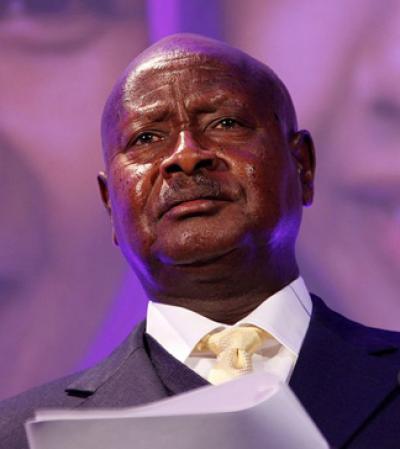
Uganda’s President Yoweri Museveni has said persecution against gay people will be investigated while apparently distancing himself from the nation’s proposed ‘Kill the Gays Bill’.

Museveni was speaking with human rights activists from a US delegation led by Kerry Kennedy, the president of the Robert F Kennedy Center for Justice and Human Rights.

Uganda has been under international pressure as its parliament has an Anti-Homosexuality Bill which may be debated at any time. It has been dubbed the Kill the Gays Bill by its opponents.

The only versions of the bill currently in the public domain list the death penalty for ‘aggravated homosexuality’ – including those who have gay sex after a prior conviction or who are HIV positive.

But Museveni gave a mixed message on LGBT issues.

He denied there was persecution or discrimination against gay people in Uganda but said any incidents reported would be investigated.

He said: ‘In Uganda, there is no discrimination, no killings, no marginalization, no luring of young people using money into homosexual acts.’

By he added gay people ‘were regarded as deviants’ by society.

He said Africans handle sexuality differently to European and ‘other Western countries’ who publicly ‘flaunt’ it, which is inappropriate to Ugandan culture.

‘If am to kiss my wife in public, I would lose an election in Uganda,’ he said. ‘Western people exhibit sexual acts in public which we don’t do here.

‘You have a lot of room in your house, why don’t you go there. Sex is a bilateral issue, not a multilateral one.’

Accompanied by several lawyers, actors and religious leaders, Kennedy expressed concern over the harassment of the Uganda’s LGBT community including recent anti-gay media exposure and outings.

Kennedy said this was a clear violation to the right of privacy, and the pending bill on homosexuality is against international law and treaties Uganda has signed.

Proponents of Anti-Homosexuality Bill, most notably Member of Parliament David Bahati (its author and sponsor), allege gays lure people with financial rewards and ‘recruit’ members of the public into homosexuality.

Bahati has said the bill, which is on the list of upcoming parliamentary business, is needed to tackle a growing problem.

By contrast Museveni appears to be distance himself from that view by saying there are ‘few homosexuals in Uganda’.

He said he would ‘investigate claims of violence against homosexuals,’ adding that for a viable solution, activists ‘must respect the confidentiality of sex in our traditions and culture’.

Museveni also appeared to indicate gay people should be granted privacy, against a backdrop where tabloid newspaper Red Pepper has been ‘exposing’ them. But the president cautioned LGBT people to keep a low profile.

Speaking about Red Pepper, which has been publishing names as well as photos of men having gay sex, he said he is ‘under pressure to ban that paper for exposing heterosexual nudity.

‘This is an affront on our culture. Now if you add homosexuality… Heterosexuality is enough provocation with both of these, it is too much.’

However, he has resisted the ban due to concerns from the West about freedom of speech.

Frank Mugisha, chair of the charity Sexual Minorities Uganda (SMUG), told Gay Star News: ‘It is our role as activists to point out that there is discrimination, the incitement to hate in some of the media vehicles, harassment and arrests of LGBT people does occur.’

He added: ‘Perhaps he wanted to say there is no explicit prosecution of gay people by the Ugandan government.

‘So we will have to point out that anti-gay laws, arrests of LGBT people and activists, is discrimination.

‘It’s encouraging up to a point that as a head of state he promised to investigate any claims of discrimination against LGBT people’.

But veteran human rights advocate, Peter Tatchell was slightly more skeptical.

He said: ‘Museveni has strong autocratic tendencies. His regime is guilty of wide-ranging human rights abuses.

‘If he was against the AHB [Anti-Homosexuality Bill] why didn’t he give a stronger hint? He is not known for being subtle about anything.

‘His denial of homophobic persecution (discrimination and violence) is demonstrably untrue’.

By DAN LITTAUER and TRIS REID-SMITH

20 March 2013

http://www.gaystarnews.com/article/uganda-president-museveni-appears-distance-himself-kill-gays-bill200313


Paying the price: Who is really affecting the Global Fund decision making processes?

19 March 2013: Media Release – GLOBAL FUND PROCESSES NEGLECT LGBT AND YOUTH

__________________________________________________________________________

Download Media Release AIDS Accountability International on the Global Fund

Download the full report: Who is really affecting the Global Fund decision making processes? A Community Consultation Report, Gemma Oberth


Download the survey report: Who is really affecting the Global Fund decision making processes? A Quantitative Analysis of Country Coordinating Mechanisms (CCMs), Phillipa Tucker

__________________________________________________________________________

Johannesburg – Researchers today revealed that the Global Fund processes in place in South Africa and neighbouring countries discriminate against gay and lesbian people as well as youth.

The Global Fund to Fight AIDS, Tuberculosis and Malaria is an international financing institution dedicated to attracting and disbursing resources to prevent and treat HIV and AIDS, TB and malaria and is one of the world’s largest funders of HIV/TB and malaria, totalling 864 grants, worth US$21.9 billion.1 The distribution of this money, approximately half (over US$10 billion) has been granted to African governments, is decided by committees at national level called Country Coordinating Mechanisms (CCMs), and it is these committees that researchers at AIDS Accountability International think are neglecting the needs of youths and lesbian, gay, bisexual and transgender people.

These decision-making committees are supposed to be made up of representatives of government ministries, non-governmental organizations, affected communities (including women, girls and LGBT), the private sector, technical specialists and academic institutions. They are at the centre of the Global Fund’s commitment to country ownership and are supposed to demonstrate inclusive and participatory decision-making as they select which projects and organisations get the massive amounts of funding available from the Global Fund.

However, researchers at AIDS Accountability International say that there are huge gaps that exist in the processes of the Global Fund and that these most adversely affect the most marginalised people’s ability to access funding. Gemma Oberth, Senior Researcher at the Cape Town based think tank and activist organisation says: “CCM decisions about what to include in their Global Fund proposals often reflect political imperatives rather than objective, community-informed assessments of what is really needed. This has meant that the needs of marginalised  populations such as the (Lesbian, Gay, Bisexual and Transgender (LGBT) and the Youth continue to be excluded and neglected due to lack of representation and documented evidence  of existing needs. AIDS Accountability International conducted country case studies in SADC on ‘Who is really affecting the Global Fund decision making processes’ and the outcomes of the study have highlighted several factors contributing to the neglect of these groups in the processes of the Global Fund.”

The research findings, which will be launched at the Second HIV Capacity Building Partners’ Summit on 20 March, emphasize that an overly-generalized approach to HIV prevention and treatment, can often mute the needs of specific sub-groups, which need to be considered and addressed separately to the general population. This reality points to the need for representation of LGBT people on CCMs as a means to improve this situation. If these sub-groups and their specific needs are not considered in these decision-making CCM meetings then the Global fund processes will probably neglect to fully attain its obligations and be truly accountable in its health responses.

“While most felt that their needs were sufficiently advocated for on behalf of youth NGOs or other civil society groups, many did say that having young girls physically sitting on the CCM might be beneficial,” Ms Oberth said, “That said, there seemed to be a lack of awareness that having young people sit on CCMs is actually mandated by the Global Fund, as the guidelines for CCM composition state that ‘The Global Fund encourages CCMs to preferably include young people themselves through representatives of organizations established and led by young people.’ ”

In terms of accountability, the survey data as well as the qualitative interview data point out the fact that that CCM members are aware of the gaps that currently exist on Southern African CCMs with regard to representation and participation of women, girls and LGBT. “The fact that non-members are rating the performance, representation and thus accountability to these marginalized groups better than the people on the committee speaks to a need for civil society to be better informed what is really happening on the inside” said Phillipa Tucker, Executive Director of AAI and author of the quantitative survey report. “Often civil society will approve or rate performance of such mechanisms as better than they are even though insiders recognize there is a need for massive change. They need to begin to advocate for full inclusion of women, girls and gay people. If civil society is able to better engage with the lack of accountability, and with the obvious willingness of many CCM members to enact this change, it would not be difficult to quickly and effectively improve this shortcoming.”

The news is not all bad and the research also finds that the Global Fund’s inclusive and participatory structures do have the potential to expand opportunities for broad participation in decision-making. The successes registered by the Global fund are indicative of the potential opportunities it presents and in many countries response to HIV and AIDS have been brought to an exceptional scale by the funder.  Many successes have also been registered by the Global Fund with regards to advancing the rights of women and girls internationally but the researchers at AAI call for the Global Fund to keep pushing and rectify the gaps identified in their research.

Recommendations:

LGBT: As a result of the legal, cultural and political challenges surrounding participation and advocacy for LGBT populations on CCMs in Southern Africa, a number of respondents in different countries agree that a public health approach is the best way to begin breaking down these barriers. AAI recommends that data collection for most-at-risk populations can help to disaggregate the needs of sub-populations, creating a more nuanced response and assisting public health officials to use a public health lens in doing their work. It is AAI’s recommendation that a public health approach be taken first, in order to work toward the end goal of an effective human rights discourse.

Youth: Inclusion of young people as CCM representatives is recommended. While it not conceivably reasonable that all affected constituencies should physically sit around the CCM table, young people – especially young girls – are an expressed focus of the Global Fund in terms of representation. To this end, AAI recommends that CCMs make use of the Global Fund guideline, i.e. allocate a seat for youth representation within its membership.

Accountability: The research indicates that much needs to be done on Southern African CCMs and if civil society is able to understand the commitments made, the expectations of all stakeholders, and able to hold them accountable by engaging with the issues. This requires stakeholders to build capacity in civil society, as well as with CCM members (who have demonstrated a willingness to improve the situation) so that they can begin to advocate for these highly necessary changes to better represent the needs of marginalized people.

The Launch:

On the 20 March 2013, Birchwood Hotel in Johannesburg, South Africa, AIDS Accountability International will be launching the full report at the Second HIV Capacity Building Partners’ Summit.

AIDS Accountability International (AAI) was established in 2005 with the mission to follow up on commitments to the AIDS epidemic made by governments, businesses and civil society. Still today, there is a widespread lack of advocacy tools for key actors to hold leaders accountable for the rollout of policy, program implementation and performance impact. AAI believes that leaders should be informed. This is achieved through our research and advocacy, which holds ineffective leadership accountable whilst applauding those who live up to their promises.

Contact for further information:

info at aidsaccountability dot org


Website : www.aidsaccountabiility.org


Research Suggests Connection Between LGBT Marriage Rights and Better Health.

(Reuters) – Gay and lesbian couples living together report poorer health than straight married couples, U.S. researchers said on Wednesday, speculating that legalizing same-sex marriage could reduce the disparities.

Studies have shown that married couples enjoy better health than people who are single, divorced or separated.

When Dr Hui Liu, an assistant professor of sociology at Michigan State University, and her team studied the health of gay and straight couples, they found marriage made a difference.

Liu and her co-authors, Corinne Reczek an assistant professor of sociology at the University of Cincinnati, and Dustin Brown, a post-graduate student at the University of Texas at Austin, suggest that the discrimination and stress that gay couples experience could contribute to their poorer health.

“Legalizing same-sex marriage could also provide other advantages often associated with heterosexual marriage – such as partner health insurance benefits and the ability to file joint tax returns – that may directly or indirectly influence the health of individuals in same-sex unions,” Liu added.

“When we controlled for socioeconomic status, the odds of reporting poor or fair health were about 61 percent higher for same-sex cohabiting men than for men in heterosexual marriage, and the odds of reporting poor to fair health were about 46 percent higher for same-sex cohabiting women than for women in heterosexual marriages,” Liu said.

Although the researchers did not study the impact of legalizing gay marriage, Liu said it is plausible that if gay unions were sanctioned by law it could improve health by reducing stress and discrimination and providing health benefits enjoyed by married couples.

“If marriage can promote health, it is reasonable for us to expect that if same-sex couples had the advantage of legalized marriage their health may be boosted,” Liu added in an interview.

Nine U.S. states and Washington, D.C., have legalized same-sex marriage, assuring gay couples the benefits of a legalized union.

The researchers compared the health of 1,659 gay couples living together and a similar number of married heterosexuals. They pooled data from 1997 to 2009 National Health Interview Surveys in which people across the country were asked to rate their overall health as excellent, very good, good, fair or poor.

The study, which is published in the Journal of Health and Social Behavior, showed that black women living together as a couple were the most disadvantaged. They reported worse health than any other non-married black women.

By Patricia Reaney
27 February 2013
http://www.reuters.com/article/2013/02/27/us-marriage-samesex-health-idUSBRE91Q16X20130227

South Africa: New HIV Infections in Teenagers Halved Due to Increased Knowledge and Safer Sexual Behaviours.

The Gauteng AIDS Council (GAC) which is a partnership between the Gauteng Provincial Government (GPG) and Civil Society Networks, local government, community based organisations like non-profit organisations (NPO) and non-governmental organisations (NGO) met earlier today to discuss priorities in stopping new HIV infections in the province and adopt a multi-sectorial plan for the financial year 2013/14 and beyond.

It is the intention and top priority of the Gauteng Provincial Government through the AIDS Council to keep people free from infections. Current statistics show that 84% of all youth and adults in the province are HIV-free.

The Council’s two-pronged approach is premised on keeping those who do not already live with the virus free from being infected and ensuring that those who are HIV positive are provided with the necessary medical and social support to live long and productive lives.

Through the efforts of the women and men who work with the GAC, much has been done to educate our communities on the dangers of HIV, prevention and living a quality life with the virus.

The following are some of the achievements made in this financial year and the challenges faced:

New HIV infections in teenagers have been halved between 2002 and 2008 due to increased knowledge and safer sexual behaviours, which is getting more young people to delay engaging in sexual acts and, if they do – they use condoms.

Research has shown that condom use is highest among male teenagers at 80% “at last sex”. This was achieved through families, life-skills training in schools and AIDS media campaigns. The Council has however noted that teenagers are still getting pregnant and infected with HIV as the statistics from the Teenage Pregnancy Colloquium held at the Turffontein Race Course yesterday showed. Reports indicate that some 4 200 girls in Gauteng schools were pregnant between 2008 – 2011

The highest rate of new HIV infections is in young women that are between the ages of 15 to 29. About half of young women have transactional sexual relationships with men who are 5 years or older than them. The inequality in these relationships undermines women’s ability to protect themselves from HIV and pregnancy with condoms and family planning.

Unemployment, low skills and poverty drive many young women into sexual relationships where they depend on their partner for income and accommodation. But some women choose these relationships to increase their social and financial status.

The Council’s new focus is on men – especially adult men who have sex with teenagers and young women. Too many men think it is “normal” to have sexual relationships with young girls and women. These men have higher HIV infection rates and the risks are even higher when alcohol is involved. Condom use in this age group is poor however our HIV testing campaign shows that 66% of men tested.

Gender-based violence, coupled with Inter-generational sex also increase HIV infections in young women and a percentage of boys. Rape of babies, children and the elderly is a shocking development which is criminal in nature.

Efforts by key departments

Education

The Gauteng Department of Education will continue to provide life skills training through schools with extra activities like peer education in the schools with higher risks. Life skills training are being strengthened with greater involvement of parents and communities;

Health

The Department of Health will again focus on preventing HIV in babies through services for pregnant women and leads the HIV testing and TB screening campaign. Family planning is being scaled up, nurses are visiting more schools and women are motivated to start antenatal care before four months of pregnancy to reduce the risks of HIV in pregnancy;

The Health Department is continuing with promoting the Gauteng Strategic Plan for HIV, TB and Sexually Transmitted Infections and will be targeting unemployed youth and youth in education institutions until the end of this month. From April to June the focus of the campaign will be on treatment and testing and families will be targeted with message driven by people living with HIV and Aids, the faith sector and people caring for the HIV infected.

Social Development

The Social Development Department will in the 2013/14 financial year again lead social support and services for orphans and vulnerable children including life skills for teenagers. Social problems can result in girls starting sex early and having more sex partners. Boys need more support from fathers and father figures.

Community Safety

Drug abuse is an increasing problem being addressed with involvement of Community Safety, South African Police Service (SAPS) and communities. The matter will again be receiving priority this coming financial year. The Council will establish more Thuthuzela Centres in an effort to increases access and services for people that have been violated by working closely with the Department of Justice and Constitutional Development to increase conviction rates and counselling therapy.

Local Government

Municipalities will drive civic education in wards on large scale targeting young women, informal settlements and hot spots like taverns, clubs that often host sex workers.

Sports, Recreation, Arts and Culture (SRAC)

The community and school sports programmes led by SRAC, will again be at the forefront of building awareness about healthy lifestyles, including safe sex and development of life skills.

Roads and Transport

The transport sector has higher HIV risks, especially for long distance drivers – including taxi drivers. Awareness campaigns condom distribution at trucking centres will again be the focus this coming financial year.

The role of civil society

Civil Society Networks including NGO and NPO will develop sectorial plans that are aligned to the Gauteng 5 Year HIV/AIDS and TB Strategy to conceptualize a comprehensive implementation plan.

The sector will also assist the collection of data and compilation of Reports that could be used for intervention and preventative strategies. The sector will have immediate access to communities where Thuthuzela Centres are not available by making use of Primary Health Care Centres that may be a primary source of data and information

The sector will also identify and create the face of youth sectors to communicate messages and campaigns that will accelerate the fight against HIV and AIDS infections

In intensifying the fight against HIV/AIDS, Premier Mokonyane stated unequivocally that, “the greatest tragedy in modern society is the total disregard of humane value. Obsession with sex across the board has devalued our core existence and blinded mankind to no longer seeing or knowing the right time for sexual engagement.

In the process, communities especially young women and children constantly lie at risk of high HIV infections that threaten the sustainability of our nation and further the growth and development of our socio-economic potential as a province that bears a huge responsibility in Sub Saharan and continental Africa. We therefore need an all-hands-on-deck approach to curb and fight the spread of HIV in ways that are innovative, result oriented and progressive”.

Issued by: Gauteng Office of the Premier
13 March 2013
http://allafrica.com/stories/201303140710.html?viewall=1